You signed the contract, you paid the deposit, and the start date came and went. Now he isn't answering your calls or texts at all, and your last message shows as read with no reply. People post this story almost word for word, "contractor took my deposit" and then nothing. One homeowner described the moment exactly: "The second I handed over the deposit it was like a switch flipped."
That sinking feeling makes sense. The good news is that Florida law gives you a clearer path than you might expect, and the order you do things in matters a lot more than how angry the messages get.
First, figure out which situation you're in
Contractors go quiet for different reasons, and the right move depends on where your job stands. Sometimes he's buried in other jobs and bad at returning calls, which is maddening but fixable, or he's stuck waiting on a permit and never thought to tell you. Sometimes he took the money with no plan to come back.
So start with what you actually know. Note whether any work ever started or the house looks exactly like it did the day you signed, whether a permit was ever applied for, and how much you paid up front against the full contract price. Every step below depends on those answers, so write them down now while the dates are fresh.
What Florida law says about deposits
If a contractor takes your money as a deposit but never even starts the work, how can you get your money back?
In Florida, a contractor who takes more than 10% of the contract price up front on a home remodel has to apply for permits within 30 days and start work within 90 days after the permits are issued, unless you agreed in writing to a longer period. If those deadlines pass, you send a written demand by certified mail, and a contractor who still doesn't act within 30 days of it may be presumed to have no good reason for the delay.
That comes from Florida Statute 489.126. The same law says a contractor holding more money than the finished work is worth can't just stop working for 90 days, and that failing to refund owed money within 30 days of a written demand lets a court infer he meant to keep it. Florida treats that as a crime, with penalties that climb with the amount of money held, from a misdemeanor up to a felony.
We're not a law firm and this isn't legal advice. It's the part of the statute anyone who's paid a deposit on a Miami remodel will want to know exists before they write that letter.
The steps, in the order that helps you
Stop paying. Don't send another payment, even if he finally calls back with a good story and asks for money for materials. From here on, money should follow work you can see.
Gather everything in one place. That means the signed contract, every bank record or receipt showing what you paid and when, the texts and emails, and dated photos of the job as it stands today. If the work never started, a photo of an untouched kitchen is evidence too.
Check the license. Search his name or company on the state's license lookup at myfloridalicense.com. Whether he holds a license changes who you'll be dealing with next, and our piece on licensed vs unlicensed contractors in Miami walks through why it matters.
Find out whether a permit was ever applied for. The building department that covers your address keeps permit records, whether that's the City of Miami, Miami Beach, North Miami, or Miami-Dade County for unincorporated areas. A Tampa homeowner wrote that a month went by with no permit pulled, then months more with nothing at all. That version of the story is exactly what the 30-day rule speaks to.
Send the certified letter. Keep it short and factual: the contract date, the amount you paid, the date work was supposed to start, what has and hasn't happened, and a clear request for either a firm start date or a refund of the unearned money within 30 days. Mention 489.126 by number, and keep the mailing receipt and tracking record with the rest of your file.
Then decide how far to take it. If the letter gets no answer, the usual next stops are small claims court for smaller amounts, a Florida construction attorney for larger ones, and a police report where money was clearly taken and no work was done. One homeowner took their contractor to small claims court and won a default judgment when he didn't show up. Winning a judgment and collecting the money are two separate things, though, which is why the paper trail from the earlier steps matters so much.
If he did half the job and then vanished
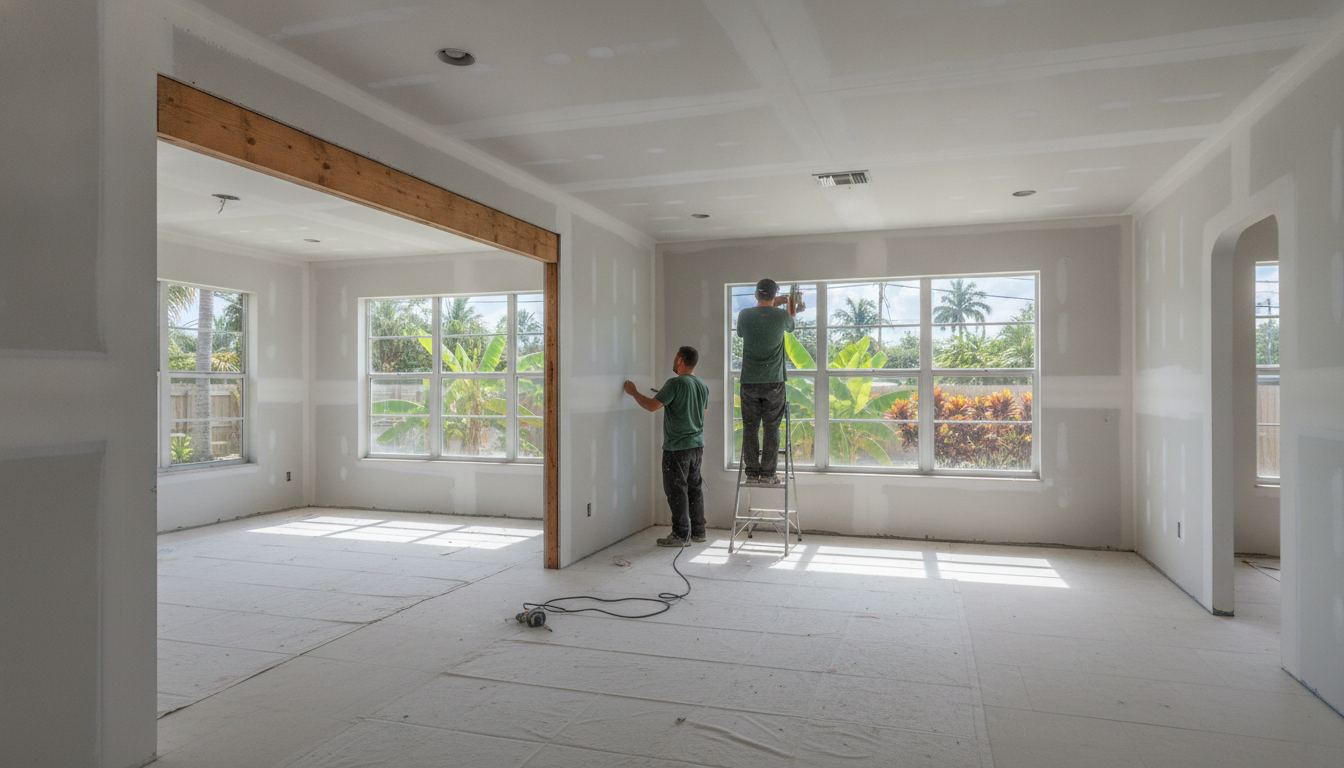
This version is harder, because there's work on the ground and the question becomes what that work is worth. Two weeks with no update and half a kitchen, with exposed plumbing and no crew showing up, is a different problem from an untouched room.
The certified letter still applies. Before anyone else touches the job, though, photograph and write down everything that was done, and keep the contract's payment schedule right next to it. Whether it's a single kitchen or a multi-room home remodel, another remodeler can usually tell you what's finished, what's roughed in and what has to be redone, and that assessment is what you'll lean on if you end up asking for money back. Don't let a new crew tear anything out before it's on record.
If a permit was opened under the first contractor's name, the new remodeler will need to deal with it before work starts again, and the building department can explain how that's handled for your address. If you're trying to work out how far off track your job is, our kitchen remodeling page lays out what a Miami kitchen job looks like when it runs the way it should.
Keeping the next deposit safe
Nobody wants to go through this twice. One homeowner on Reddit put it bluntly: "Anyone who needs a massive down payment is not a reputable contractor." The 10% line in Florida law is a handy reference point, since that's where the permit and start-date clocks begin.
A few habits make the next job much safer. Tie payments to work you can see, like demo finished, rough plumbing inspected or cabinets set, rather than to dates on a calendar. Ask who pulls the permit and when, and get the answer into the contract. Make sure there's one person you can reach and agree up front on how often you'll hear from them. Our breakdown of Miami construction contract clauses homeowners often overlook covers payment schedules and how to exit a contract, and the questions to ask before hiring a general contractor in Miami are worth running through before anyone gets a check.
Getting the job moving again
Whether your remodel never started or it's sitting half done, you still need the work finished by someone who answers the phone. That's the part we can help with. Miami Elite Remodeling doesn't do the work itself; we connect you with an independent remodeler who works in your area, and here's how that works. Our home remodeling page covers the kinds of projects we help with, and if you'd rather write the details out first, you can send them through our estimate page.
Call (786) 627-5048 and we'll connect you with a remodeler who works in Miami. Press 1, then choose kitchen or bathroom and enter your ZIP code.