
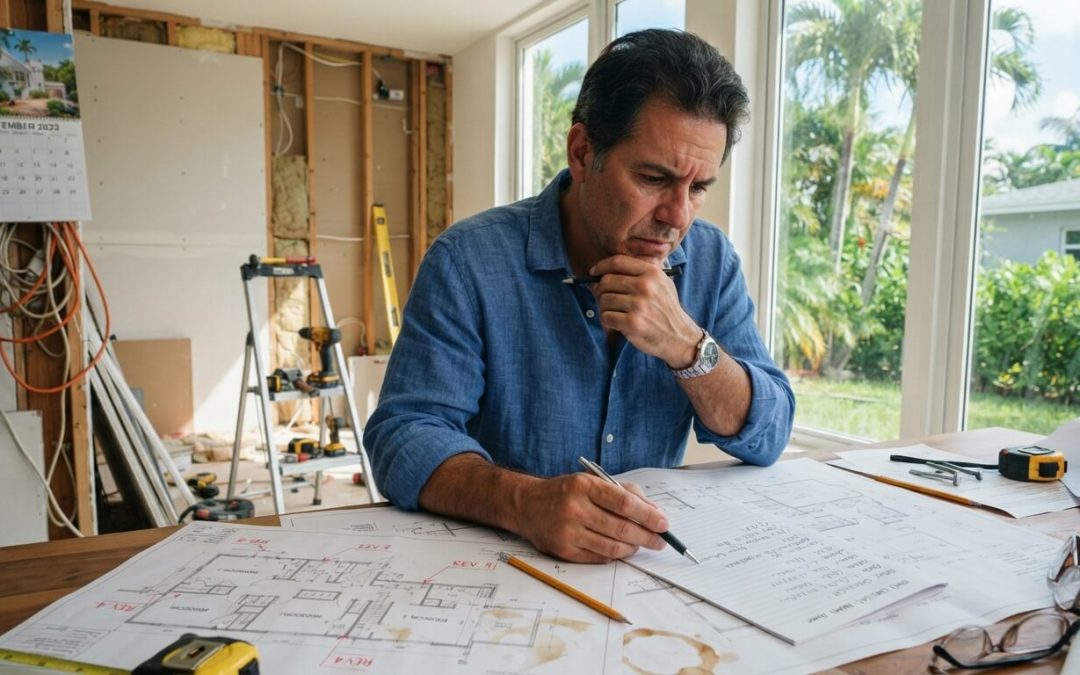
To spot poor project planning before hiring a contractor, pay attention to communication. If you feel confused after initial meetings, that’s a red flag. Look for detailed project estimates; vague numbers can lead to unexpected expenses. Confirm timelines are clear; ambiguity can cause delays. Verify that contractors have the necessary permits and licenses, as these are essential. Finally, research references and reviews—poor feedback is a warning sign. There’s more essential information ahead!
Inadequate Communication During Initial Consultations
How often do you find yourself confused after an initial consultation for your home renovation? Inadequate communication during these meetings can leave you unsure about your project’s direction.
If a contractor fails to listen to your ideas or clarify their plans, it’s a red flag. You should feel confident and informed after discussing your vision. Ask questions, and if they can’t provide clear answers or seem dismissive, consider that a warning sign.
Good contractors prioritize transparency, ensuring you’re on the same page. Trust your instincts; if something feels off, it’s worth seeking out a contractor who values effective communication.
Lack of Detailed Project Estimates
When a contractor provides vague or incomplete project estimates, it can lead to frustration and unexpected costs down the line.
You should always ask for a detailed breakdown of materials, labor, and any other expenses involved. This transparency helps you understand where your money’s going and prevents surprises.
If a contractor hesitates to provide specifics or offers only rough estimates, it’s a red flag. You deserve clarity in your project planning.
Taking the time to review these estimates can save you from budget overruns and guarantee you’re on the same page before any work begins.
Don’t overlook this vital step!
Unclear Timelines and Milestones
Unclear timelines and milestones can derail your home renovation project, making it essential to establish a clear schedule from the start.
When discussing your plans with a contractor, ask for a detailed timeline that outlines each phase of the project. If they can’t provide specific dates or milestones, this might indicate poor planning.
Change orders and delays can lead to frustration and increased costs. A reliable contractor will communicate potential obstacles and adjust timelines accordingly.
Keep an eye out for vague promises; clarity is key. Make certain you’re both on the same page to avoid unnecessary setbacks during your renovation.
Absence of Necessary Permits and Licenses
While commencing a home renovation, you can’t overlook the importance of obtaining necessary permits and licenses. Skipping this step can lead to significant issues, including fines or even having to redo completed work.
Make sure your contractor is well-versed in local regulations and can secure the required permits. If they seem hesitant or lack knowledge, it’s a red flag.
Verify their licenses, ensuring they’re up to date and valid. A reputable contractor will be transparent about the permitting process and will prioritize compliance.
Protect yourself and your investment by insisting on proper documentation before any work begins.
Poor References and Reviews From Previous Clients
One of the most telling signs of poor project planning in home renovations is a contractor’s lack of positive references and reviews from previous clients.
If you notice a pattern of complaints or low ratings, it’s a red flag. Don’t just skim through testimonials; dig deeper into what past clients experienced.
Ask for contact information to verify their satisfaction. A reliable contractor should have a portfolio filled with glowing reviews and happy homeowners.
Frequently Asked Questions
How Can I Verify a Contractor’s Experience With Similar Projects?
You can verify a contractor’s experience by asking for references, reviewing their portfolio, and checking online reviews.
Speak with past clients to gauge satisfaction, and guarantee they’ve completed similar projects successfully before making your decision.
What Insurance Coverage Should Contractors Have Before Hiring?
Contractors should have general liability insurance, workers’ compensation, and any necessary licensing.
This protects you from potential accidents or damages.
Always ask for proof of coverage before hiring to guarantee you’re fully protected.
Are There Specific Red Flags to Watch for During Site Visits?
Yes, during site visits, watch for disorganization, unclear communication, and lack of detailed plans.
If contractors seem unprepared or dismiss your questions, it’s a red flag that indicates potential issues down the line.
How Do I Handle Disputes With a Contractor During a Project?
Address disputes calmly and directly.
Document conversations and agreements, and communicate clearly about your concerns.
If issues persist, consider mediation or consult legal advice to protect your interests and guarantee a fair resolution.
What Should I Include in a Contract to Protect Myself?
Include clear project timelines, detailed scope of work, payment schedules, and warranty terms in your contract.
Specify materials, responsibilities, and dispute resolution processes to protect yourself and guarantee accountability throughout the project.
Conclusion
By keeping an eye out for these warning signs, you can avoid hiring a contractor with poor project planning. If communication during initial consultations feels off, or if estimates lack detail, it’s time to reconsider. Don’t overlook timelines, necessary permits, or negative reviews either. Trust your instincts—ensuring a smooth renovation process starts with choosing the right contractor. Stay vigilant, and you’ll set your project up for success from the very beginning.
