
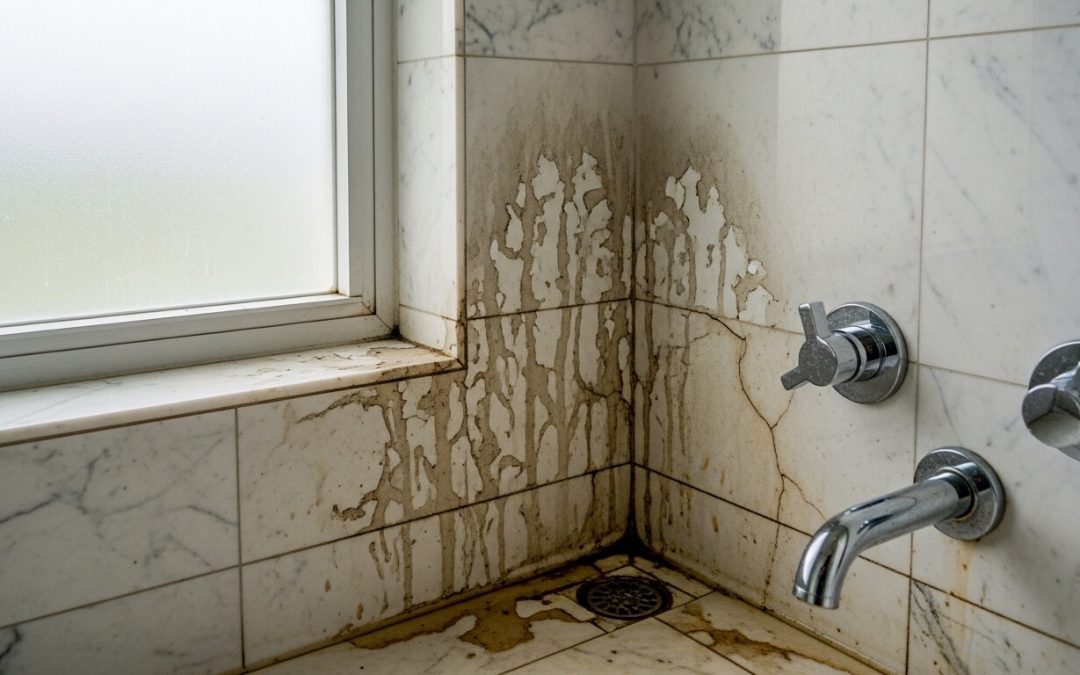
Bathroom waterproofing systems in Miami homes can fail even after a remodel due to common mistakes like poor surface preparation and ignoring seams. Excess humidity wreaks havoc on materials, promoting mold and deterioration. Inadequate drainage solutions lead to water pooling, while choosing the wrong waterproofing products can compromise protection. Regular maintenance and inspections are essential to catch issues before they escalate. Discover more about why waterproofing efforts might not stand up in Miami’s unique climate.
Common Installation Mistakes in Waterproofing
When you’re tackling bathroom waterproofing, overlooking common installation mistakes can lead to costly repairs down the line.
One frequent error is failing to properly prepare surfaces, which can prevent adhesives and membranes from bonding effectively.
Another mistake isn’t applying enough waterproofing material, leaving vulnerable spots.
Be cautious with seams and joints; they need extra attention to guarantee a watertight seal.
Additionally, neglecting to allow adequate drying time between layers can compromise your efforts.
Finally, remember to check for existing leaks before starting, as they can undermine your waterproofing project before it even begins.
Take your time and double-check your work!
The Impact of Humidity on Bathroom Materials
Ignoring the effects of humidity on bathroom materials can lead to significant deterioration over time. High humidity levels create a breeding ground for mold and mildew, which can damage walls, ceilings, and fixtures.
Materials like wood and drywall absorb moisture, causing warping and weakening. Even tiles can loosen as grout deteriorates.
To combat this, consider using moisture-resistant materials and ensuring proper ventilation. Installing exhaust fans and opening windows can help reduce humidity, protecting your investment.
Staying proactive about humidity control not only extends the life of your bathroom materials but also maintains a healthier environment for you and your family.
Inadequate Drainage Solutions
Inadequate drainage solutions can lead to serious problems in your bathroom. If water doesn’t flow properly away from your fixtures, it can pool, creating an environment ripe for mold and mildew.
Clogged drains and poorly designed slopes can exacerbate these issues, leading to leaks and water damage over time. You might notice unpleasant odors or even structural damage if water sits stagnant.
To prevent these problems, guarantee your drainage systems are correctly installed and regularly maintained. Don’t overlook the importance of proper drainage; it’s essential for keeping your bathroom safe and functional.
Investing in quality solutions pays off in the long run.
Choosing the Wrong Waterproofing Products
Choosing the right waterproofing products is vital for the longevity and functionality of your bathroom. Many homeowners mistakenly opt for cheaper options that don’t provide adequate protection against moisture.
It’s important to select high-quality membranes, sealants, and coatings designed specifically for bathrooms. Products that aren’t compatible with your environment can lead to mold growth, water damage, and costly repairs.
Always consider the manufacturer’s recommendations and product specifications, ensuring they meet Miami’s humidity challenges. Investing in the right materials upfront can save you from significant headaches down the road, keeping your bathroom dry and functional for years to come.
Neglecting Regular Maintenance and Inspections
Even with the best waterproofing products in place, neglecting regular maintenance and inspections can undermine your efforts.
Over time, small issues like cracks or loose seals can develop, allowing water to seep in unnoticed. Regularly checking these areas helps catch problems early, saving you from costly repairs later.
It’s crucial to inspect grout lines, caulking, and any visible joints for signs of wear. Schedule annual inspections or perform them yourself to guarantee everything remains intact.
Frequently Asked Questions
How Can I Tell if My Bathroom Needs Waterproofing?
You can tell if your bathroom needs waterproofing by checking for water stains, mold growth, or peeling paint.
If you notice musty odors or dampness, it’s time to contemplate a waterproofing solution to protect your space.
What Are the Signs of a Waterproofing System Failure?
You’ll notice signs like water stains, mold growth, musty odors, or peeling paint.
If your floors feel spongy or you see cracks in walls, it’s time to inspect your waterproofing system for failures.
How Often Should I Inspect My Bathroom for Leaks?
You should inspect your bathroom for leaks at least twice a year, or more frequently if you notice any signs of moisture.
Staying proactive helps catch issues early and prevents costly damage down the line.
Can I Waterproof My Bathroom Myself?
Yes, you can waterproof your bathroom yourself, but it requires careful preparation and the right materials.
Make sure to follow instructions closely and pay attention to details to guarantee effective protection against moisture.
What Are the Costs Associated With Bathroom Waterproofing?
Bathroom waterproofing costs usually range from $1,500 to $3,000, depending on size and materials.
You’ll also want to factor in labor, which can add another $500 to $1,500 if you’re hiring professionals.
Conclusion
In Miami, bathroom waterproofing can fail even after a remodel if you’re not careful. By avoiding common installation mistakes, considering humidity’s impact on materials, ensuring proper drainage, choosing the right products, and committing to regular maintenance, you can protect your investment. Don’t let oversight lead to costly repairs—stay proactive and informed. With the right approach, you can enjoy a durable, waterproof bathroom that stands up to the challenges of Miami’s climate.
