
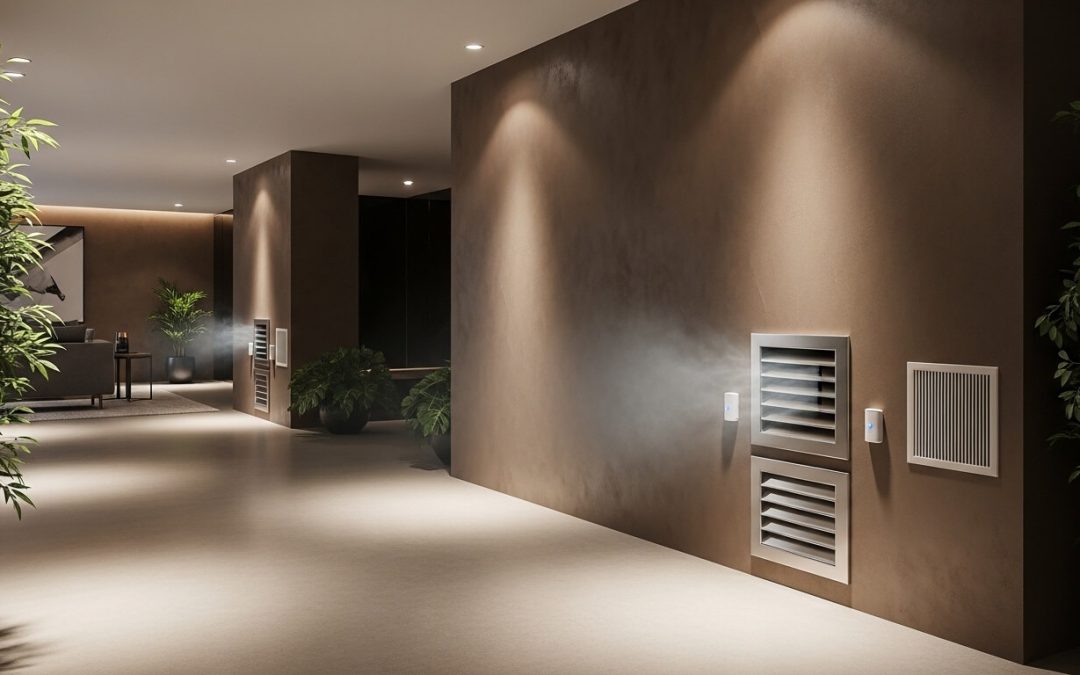
To effectively manage moisture when finishing a basement in high-humidity regions, you’ll need several essential systems. Start with a high-quality dehumidifier to keep humidity levels between 30-50%. Install a sump pump to handle water buildup during heavy rain. Additionally, guarantee proper drainage around your foundation, use vapor barriers, and consider installing a ventilation system to boost air circulation. These strategies will protect your investment and create a healthier space. More insights await you!
Understanding Humidity and Its Effects on Basements
Humidity plays an important role in the overall health of your basement, as high levels can lead to mold growth, structural damage, and unpleasant odors.
You might notice damp walls or a musty smell, both signs of excess moisture. When humidity rises, it creates an ideal environment for mold spores to thrive, putting your family’s health at risk.
Furthermore, prolonged exposure can weaken your home’s structure, leading to costly repairs. Keeping an eye on humidity levels is essential.
Using a hygrometer can help you monitor conditions, allowing you to take action before problems escalate. Staying proactive protects your basement and your home.
Essential Moisture Control Systems
To maintain a healthy basement environment, implementing effective moisture control systems is key.
Start with a high-quality dehumidifier to reduce humidity levels, keeping them between 30-50%. Install a sump pump to manage any water accumulation, especially during heavy rainfall.
Guarantee proper drainage around your foundation to divert water away from your basement. Use vapor barriers on walls and floors to prevent moisture seepage.
Consider installing a ventilation system to enhance air circulation, which further aids in moisture control.
Preventative Measures for Moisture Management
While you can implement various moisture control systems, taking preventative measures is crucial for long-term effectiveness.
Start by regularly inspecting your basement for signs of leaks or dampness. Guarantee proper drainage around your home—clean gutters and downspouts to direct water away from the foundation.
You should also maintain consistent indoor humidity levels using dehumidifiers. Seal cracks in walls and floors to prevent moisture infiltration.
Additionally, consider installing a vapor barrier on the floor and walls to block moisture from the ground.
These proactive steps can considerably reduce the risk of moisture problems, guaranteeing a healthier basement environment.
Choosing the Right Materials for High-Humidity Areas
When you’re tackling moisture issues in high-humidity areas, choosing the right materials is crucial for maintaining a healthy environment.
Opt for moisture-resistant products like treated wood, fiberglass insulation, and mold-resistant drywall. These materials can withstand damp conditions and prevent mold growth.
Consider using vinyl flooring or tile instead of carpet, as they repel moisture better.
Verify sealants and paints are specifically designed for high-humidity areas to provide additional protection.
Remember, all materials should have low VOC levels to improve indoor air quality.
Professional Solutions and When to Seek Help
If you’re struggling to manage moisture in your basement despite your best efforts, it might be time to reflect on professional solutions.
Experts can assess your space, identify underlying issues, and recommend tailored solutions that you might overlook. They may suggest advanced waterproofing systems, dehumidifiers, or drainage improvements.
Seeking help is especially important if you notice persistent mold, mildew, or water stains.
Don’t wait until the problem worsens; addressing it early can save you money and stress.
Frequently Asked Questions
How Can I Tell if My Basement Has a Moisture Problem?
You can tell if your basement has a moisture problem by checking for musty odors, damp spots, peeling paint, or mold growth.
Also, inspect for water stains on walls and floors after heavy rain.
What Are the Signs of Mold Growth in Basements?
You’ll notice signs of mold growth in your basement by spotting discoloration on walls, a musty odor, or damp spots.
If you see these signs, it’s essential to address the moisture issues immediately.
Can Indoor Plants Contribute to Basement Humidity Levels?
Yes, indoor plants can contribute to basement humidity levels.
As they transpire, they release moisture into the air.
If you have several plants, you might notice increased humidity, so keep an eye on your space.
How Often Should I Check My Basement for Moisture Issues?
You should check your basement for moisture issues at least once a month.
Look for signs like damp spots, mold, or musty odors.
Regular inspections help you catch problems early and prevent costly damage.
Do Dehumidifiers Consume a Lot of Electricity?
Yes, dehumidifiers can consume a fair amount of electricity, especially if they’re running frequently.
However, energy-efficient models help lower costs.
It’s smart to choose one that fits your space and usage needs.
Conclusion
In high-humidity regions, managing moisture in your basement is crucial for a successful finish. By understanding humidity’s effects and implementing essential moisture control systems, you can create a comfortable, usable space. Don’t forget to choose the right materials and consider preventative measures to keep dampness at bay. If you encounter persistent issues, seeking professional help can save you time and money in the long run. With the right approach, you can enjoy your beautifully finished basement worry-free!
